


It costs significantly more to acquire a new customer than to retain an existing one, and economic downturns make this difference even more critical to business survival.
Customer acquisition and retention strategies need a complete makeover in today’s world. Most businesses put their efforts into getting new customers. The biggest problem is keeping customers loyal when budgets get tight. Customer retention vs acquisition isn’t just a choice anymore it has become essential to sustainable growth.
This blog explores proven strategies to build client loyalty and strong customer relationships in uncertain times. You’ll learn everything about keeping customers in today’s challenging digital world. The topics range from digital transformation to personalization at a scale.
The Psychology of Customer Loyalty During Downturns
Business survival depends on understanding customer loyalty psychology during tough economic times. Customer expectations from brands actually go up during downturns, which makes keeping them even more vital.
Understanding Customer Fear and Uncertainty
Consumer behavior changes substantially when economic conditions get tight. A significant proportion of consumers plan to cut out their out-of-home spending, while a large majority have modified their shopping habits to manage expenses. These shifts reflect deep fears that shape customer choices during economic slumps.
Building Trust in Difficult Times
Customer trust matters most when people examine every purchase carefully. Transparency stands out as a gamechanger, especially regarding pricing and business practices. Here are the elements that build lasting trust:
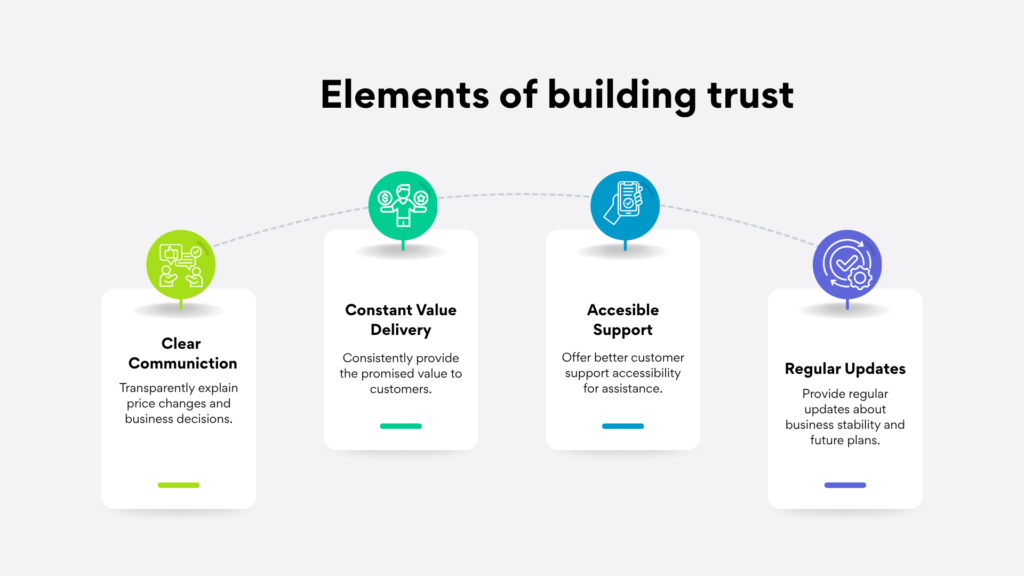
- Clear communication about price changes and business decisions
- Consistent delivery of promised value
- Better customer support accessibility
- Regular updates about business stability and future
Customers who feel emotionally connected to a brand tend to support it more and forgive occasional mistakes. A notable proportion of customers are willing to pay a premium to buy from trusted brands they prefer.
Emotional Connection Strategies
Building relationships matters more than just transactions when creating emotional bonds. Customers value different loyalty program features beyond basic rewards:
- A meaningful segment of customers prioritizes exclusive or early access to products
- Many prefer personalized product recommendations
- Others want communication through their preferred channels
Brands that openly discuss how inflation and economic challenges affect their operations show vulnerability. This genuine approach strengthens customer loyalty. Consumers believe that inflation stems from corporate greed has grown notably in recent years, making transparency more important than ever.
Marketing efforts focused on emotional connections help bridge the gap between digital efficiency and human touch. Customers value personal connections more during uncertain times, even as digital interactions and automation become common. Success lies in finding the sweet spot between streamlined operations and maintaining meaningful human connections.
Industry-Specific Retention Challenges
Customer retention challenges look different in various industries. Each sector faces its own unique hurdles to keep customers loyal. Let’s look at these differences and find solutions that work.
B2B vs B2C Retention Differences
B2B and B2C customers have fundamentally different experiences when it comes to retention strategies. B2B relationships need strong interpersonal connections and more time investment. B2C focuses on quick transactions and optimization.
Here’s what makes them different:
- B2B retention needs multiple stakeholders and takes longer to make decisions
- B2C retention depends on emotional connections and quick problem-solving
- B2B customer support needs dedicated teams who communicate constantly
- B2C problems are usually simpler, and automated systems can solve them
Sector-Specific Solutions
Different industries need their own approach to retention. The CPG industry struggles with market saturation and price sensitivity. Retention success varies meaningfully by sector, with professional services leading through strong relationship-building, while retail faces the most pressure due to fierce competition.
Competitive Analysis
Competitive intelligence is a vital part of retention. Companies are significantly more likely to focus on competitive programs when the economy slows down.
The SaaS industry shows that successful retention needs:
- Regular feature updates and better products
- Detailed onboarding and training programs
- Quick customer support systems
- Flexible pricing options
Companies that study their competition and adapt their retention strategies see their customer loyalty and lifetime value improve considerably.
Digital Transformation for Customer Retention
The digital world demands businesses to reshape how they serve customers through technology. Most customer interactions now happen digitally, and businesses must adapt their retention strategies to stay competitive.
Online Customer Experience Enhancement
Better customer experience leads to higher sales revenues and profits. Companies that embrace digital transformation see strong results in keeping their customers. These areas show the strongest impact:
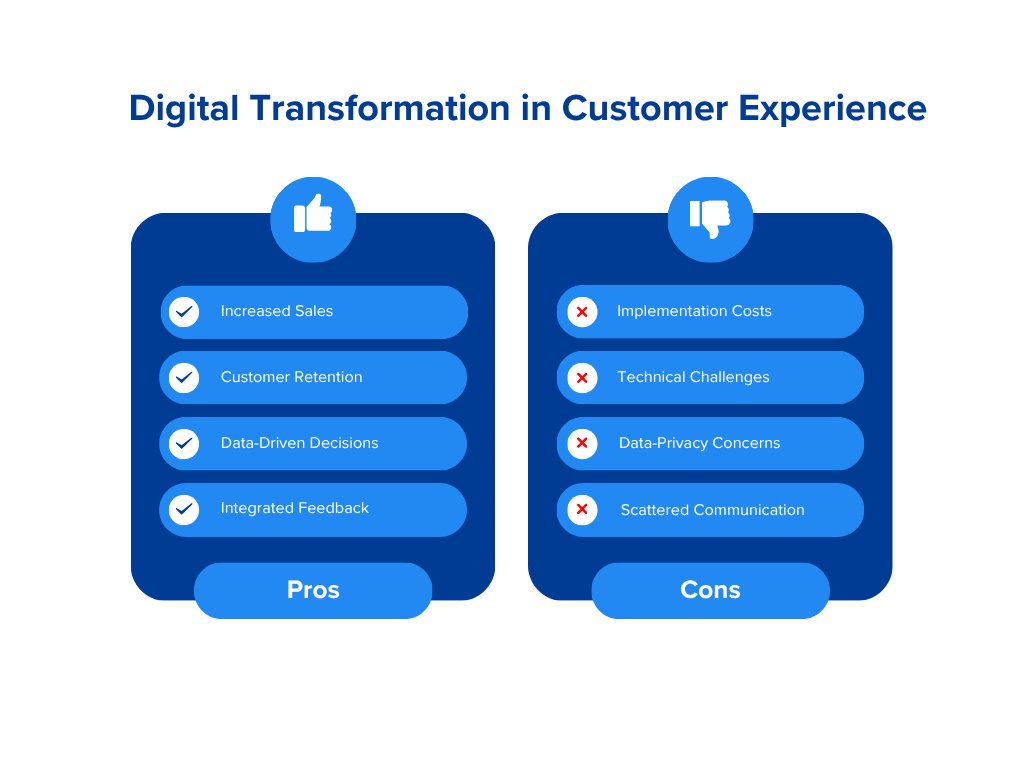
- Analytical insights from customer data
- Combined customer feedback systems
- Better digital communication channels
- Automated customer support solutions
Mobile-First Retention Strategies
Mobile-first strategies have become essential for success. Mobile devices now account for the majority of global internet traffic, with even higher numbers in growing markets. A mobile-first approach target:
- Easy user onboarding
- Tailored mobile experiences
- Community integration features
- Better mobile support options
- Loyalty program integration
Digital Touchpoint Optimization
Better digital touchpoints help maintain strong customer relationships. Early digital adopters increasingly focus on customer experience, and advanced digital adopters do so at an even higher rate.
Digital touchpoint success needs a balanced strategy. Companies that use AI-powered analytics achieve significantly higher ROI and meaningful sales uplift. A large majority of consumers buy more from brands that offer tailored experiences.
Digital transformation strategies work best when they mix automation with human interaction. Digital solutions should improve personal connections instead of replacing them. This creates what can be called “engineered sincerity” – using technology to build authentic customer experiences.
Personalization at Scale
Personalization has grown from luxury to a necessity in customer retention strategies. Proper personalization can have a major effect on growth and create better experiences for customers.
Data-Driven Personalization
Full implementation of personalization can unlock meaningfully more effective marketing and generate significant uplift in revenue and retention. While the vast majority of consumers say personalization matters, only a small fraction of retailers actually does it well.
Key benefits include:
- Better customer engagement
- More effective marketing
- Higher conversion rates
- Greater customer lifetime value
- Stronger brand loyalty
Customer Journey Mapping
A good journey map starts with a timeline of user actions and adds the customer’s thoughts and emotions. The process works best with these steps:
- Define clear objectives and scenarios
- Gather detailed customer data
- Map key touchpoints and interactions
- Analyze emotional responses
- Find ways to improve
Behavioral Targeting
Behavioral targeting needs sophisticated data analysis. Companies that lead the market are significantly more likely to have the right tech tools for personalization.
Success in behavioral targeting relies on three key tech capabilities:
- Integration of consumer data for a complete customer view
- Decision-making based on customer journey signals
- Up-to-the-minute distribution of coordinated content offers
These strategies help companies achieve meaningful year-over-year incremental revenue growth through customized experiences, and the approach can substantially increase the customer’s lifetime value when done right. A large proportion of consumers are also willing to share their personal data in exchange for more customized experiences, giving businesses a unique opportunity to strengthen their retention strategies through targeted personalization.
Financial Incentives and Pricing Strategies
Financial incentives have become central to customer retention strategy as businesses navigate economic uncertainties. The right mix of payment options and pricing strategies can affect customer loyalty considerably.
Flexible Payment Options
Payment priorities have changed dramatically. Buy Now Pay Later (BNPL) has grown rapidly in adoption among online shoppers. Flexible payment options can boost checkout conversion rates.
Key benefits of flexible payment options include:
- Most BNPL customers use it to prevent overspending
- Many choose BNPL to avoid credit card interest rates
- A large proportion of purchasers say it improved their buying experience
Value-Based Pricing
Value-based pricing plays a significant role during economic downturns. The way pricing is structured matters as much as the actual price point. Value-based pricing can be implemented through these key steps:
- Establish clear list prices as value anchors
- Align pricing with delivered value
- Create strategic pricing tiers
- Put in place annual price escalators
- Track and adjust based on market response
Discount Strategy Optimization
Discounts can boost short-term sales but need careful planning to maintain long-term customer value. A significant discount requires a proportionally large increase in sales volume just to maintain profit levels, which is why targeted approaches work better than broad discounts.
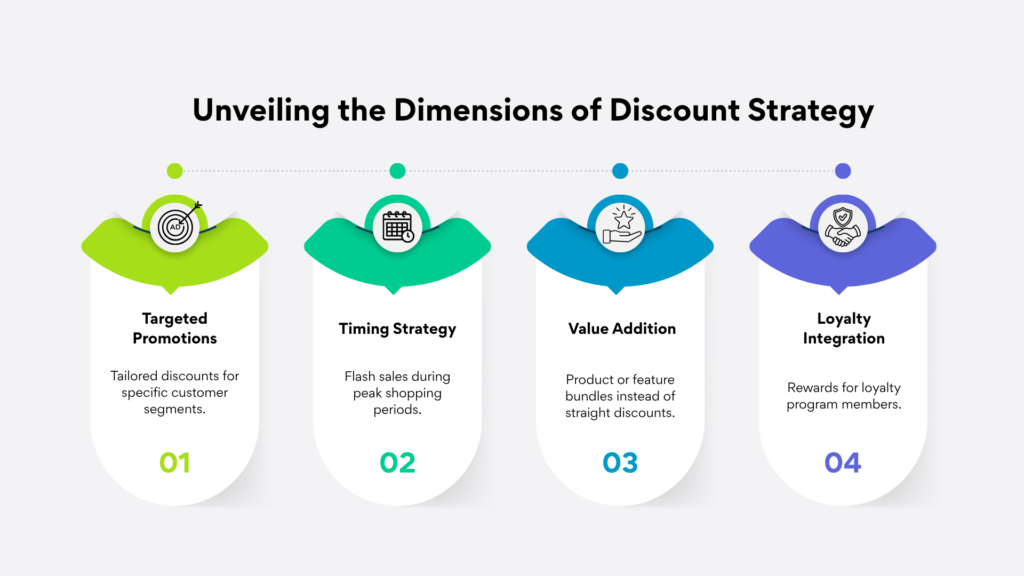
- Targeted Promotions: Tailored discounts for specific customer segments
- Timing Strategy: Flash sales during peak shopping periods
- Value Addition: Product or feature bundles instead of straight discounts
- Loyalty Integration: Rewards for loyalty program members
Flexible payment options paired with smart pricing can substantially boost customer lifetime value for paid loyalty programs. This approach helps retain customers and strengthens the acquisition vs retention strategy when the economy slows down.
Community Building for Long-term Loyalty
Online communities have become a powerful tool to maintain customer loyalty during economic uncertainties. Community-driven engagement creates deeper connections that go beyond traditional customer-brand relationships.
Online Community Development
Customers who share content about a brand create the highest satisfaction and involvement. User-generated content in loyalty programs motivates a significant proportion of consumers to write reviews. Community development efforts should focus on:
- Improved customer involvement
- Peer-to-peer support systems
- Authentic brand conversations
- Improved customer feedback loops
- Stronger emotional connections
User-Generated Content
User-generated content (UGC) shows remarkable results in building brand loyalty. UGC can deliver a meaningful lift when shoppers interact with ratings and reviews. Visitors who interact with user-generated photos and videos also show a notable lift in conversion rates.
The influencer marketing industry has grown substantially in recent years. A large proportion of U.S. marketers now plan to use content creators in their marketing mix.
Brand Advocacy Programs
Loyal customers are significantly more likely to repurchase and refer to others. A complete advocacy program should include these key steps:
- Define clear community guidelines
- Establish reward mechanisms
- Create involvement opportunities
- Monitor community health
- Measure advocacy effect
Research shows most consumers say loyalty programs increase their likelihood of continuing business with a brand, and a large proportion say they are more likely to recommend brands with effective loyalty programs.
UGC integration into existing loyalty programs creates powerful results. This approach helps collect authentic content and strengthens customer relationships, leading to increased loyalty and repeat sales.
Global Retention Strategies
Companies need a deep grasp of regional subtleties and cultural patterns to keep customers in global markets. What works in one market might need major changes in another.
Cultural Considerations
Cultural elements play a big role in shaping customers’ response to loyalty programs. In some markets, religious and cultural beliefs meaningfully affect how consumers use financial products and what they want from loyalty programs. Several cultural elements shape customer retention:
- Local value systems and beliefs
- How people like to communicate
- Ways decisions get made
- How people prefer to pay
- Ways communities work together
Regional Market Differences
Customer retention rates vary widely between regions. China, India, and Southeast Asian countries show remarkable growth in how people use digital services and join loyalty programs. Each region has its own unique patterns:
- North America: People love community rewards and using points at local businesses
- Middle East-Africa: Clear communication and step-by-step program guides matter most
- Asia-Pacific: Travel rewards and cultural promotions stand out as favorites
- Europe: Simple guidance works better than detailed instructions
International Best Practices
Global experience reveals what works best to keep international customers. The most successful global retention programs prioritize:
- Evidence-based Personal Touch: Mobile app engagement for rewards checking varies considerably between Western and other markets, making regional customization important
- Payment Choices: Giving customers different ways to pay during tough economic times can meaningfully boost retention
- Cultural Fine-tuning: Brands with the strongest retention adjust their loyalty programs based on what each region values
The best global retention strategies balance standard practices with local needs. Looking at how customers behave in different markets helps create retention programs that strike a chord with local audiences while keeping brand values consistent.
Future-Proofing Your Retention Strategy
Customer retention is transforming rapidly. Businesses are changing how they build loyalty. A growing majority of executives now see emerging technologies as vital for retention of success.
Emerging Technology Integration
Technology integration plays an essential role in making retention strategies future-proof. Companies that use AI and advanced analytics achieve significantly higher ROI and meaningful sales uplift. Key focus areas include:
- Predictive analytics for customer behavior
- AI-powered personalization engines
- Machine learning for churn prevention
- Advanced data analytics platforms
- Automated engagement systems
Sustainability in Retention
Sustainability drives customer loyalty powerfully. A large proportion of global consumers worry about climate change and actively make eco-friendly choices. Green loyalty programs produce meaningful results, though a significant number of consumers mention higher prices as the main barrier to sustainable purchases.
Purpose-driven brands create stronger customer connections through eco-friendly initiatives. Most loyalty programs among top brands still rely on points, with far fewer building communities or focusing on shared values representing a significant opportunity for differentiation.
Adaptability Planning
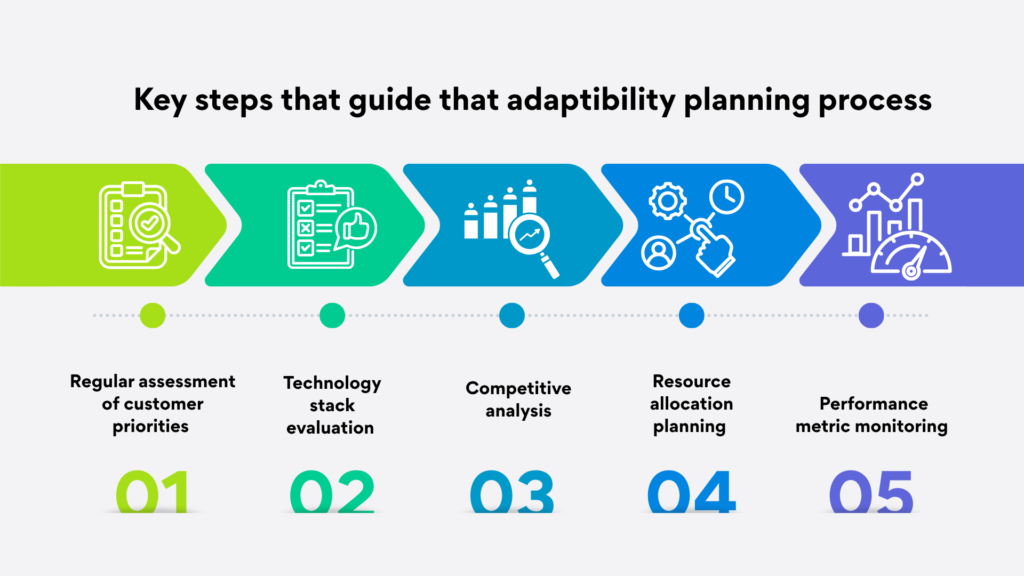
A detailed adaptability framework is essential to keep retention strategies working effectively. These key steps guide the process:
- Regular assessment of customer priorities
- Technology stack evaluation
- Competitive analysis
- Resource allocation planning
- Performance metric monitoring
Successful adaptability needs both technology and human elements to be balanced carefully. A notable proportion of companies struggle with using technology to strengthen customers’ emotional attachment to their brand. The solution involves “engineered sincerity”, using technology to create authentic customer experiences while preserving human connections.
Brands that include sustainability in loyalty programs see meaningful improvements in customer participation. Creative solutions continue to emerge such as double points for buying refills or sustainable products, and exclusive platforms to resell used items.
Comparison Table
| Industry Sector | Retention Rate | Main Strategies | Challenges | Digital Effects |
|---|---|---|---|---|
| Professional Services | High | Building relationships, Dedicated support teams | Multiple stakeholders, long decision cycles | Early adopters focus strongly on customer experience |
| Banking and Finance | Moderately high | Customer relationships, Flexible payment options | Building trust, Digital change | Improved mobile support systems |
| Insurance | High | Market share approach, Value pricing | Customer outreach, Market rivalry | AI-powered analytics delivering strong ROI |
| Retail | Moderate | Customization, Loyalty programs | High competition, Price sensitivity | Advanced adopters show highest focus on customer experience |
The Retention Imperative
Customer retention remains central to long-term business sustainability, especially in uncertain economic conditions. The most effective retention strategies combine behavioural insights, advanced technology, and personalized experiences to build meaningful, lasting relationships.
While industries face distinct challenges, the fundamentals of retention remain consistent: fostering emotional connections, delivering value-driven experiences, and encouraging active customer participation. When supported by data, these strategies unlock measurable improvements in revenue and loyalty.
Digital channels now define the customer journey. Organizations that successfully blend digital innovation with human-centric experiences consistently outperform in customer satisfaction and lifetime value.
Looking ahead, adaptability and sustainability will shape the future of retention. Businesses that integrate emerging technologies with authentic, purpose-driven engagement will build stronger, more resilient customer relationships.
At its core, customer retention is about balance, between technology and human touch, global scale and local relevance, and incentives and emotional connection. When aligned effectively, these elements create relationships that endure market shifts and economic uncertainty.
This is where Aekyam comes in.
Aekyam enables organizations to execute high-impact customer retention strategies by delivering a true 360-degree view of the customer. From purchase history and digital behavior to real-time interactions, every data point is unified into a single, intelligent profile.
With real-time data integration, normalization, and enrichment, Aekyam transforms fragmented information into AI-ready insights empowering businesses to deliver personalized experiences, make smarter decisions, and strengthen customer relationships at every touchpoint.
Get in touch with our team to elevate your customer experience strategy. Click here to know how Aekyam helps other industries as well.
Share
Read Similar Blogs