


Most fashion brands do not lose money because demand dries up. They lose it because their systems can’t keep up. Your store, your website, your marketplace, and your warehouse each hold a piece of the truth, but none of them share it.
That gap is where the revenue hurdles in the fashion industry live. Stock shows as available when it is not. A trending item sells out online while sitting in a back room. A campaign promotes a product you cannot ship. Each slip is small, but together, they quietly drain profit every single day.
The good news: these problems are fixable. This blog breaks down exactly where fashion brands leak revenue and how AI-powered orchestration closes those gaps with real-time visibility and sharper demand forecasting. You’ll leave knowing what to fix first
What Causes Revenue Hurdles in the Fashion Industry?
The short answer is fragmentation. Fashion runs across many channels: physical stores, e-commerce, marketplaces, and social commerce. When each channel uses its own tools, your data splits into silos.
Think of it like a relay team where no one passes the baton. Each runner is fast, but the race is lost in the handoff. That’s what siloed systems do to your operations. Decisions slow down, errors creep in, and the cost shows up as lost sales, that you never see on a dashboard.
The solution is to build that single source of truth by which most of these hurdles shrink. An AI workflow orchestration platform is designed to do exactly that – connect your systems so they finally work as one.
The Hidden Revenue Leaks in Fashion Operations
Disconnected systems create leaks that stay invisible until they hit your bottom line. Here are the most common ones:
- Fragmented demand. Each channel holds its own customer data. Without a unified view, you can’t place stock where demand actually is.
- Stock latency. When inventory updates lag, customers see “ghost stock” : items listed as available that aren’t. You also lose sales on items that exist but show as out of stock.
- ATP fulfillment gaps. Without real-time visibility, you can’t promise accurate delivery dates or offer ship-from-store and click-and-collect reliably.
- Lower campaign ROI. Promoting out-of-stock items wastes ad budget and erodes trust. Fragmented data also blocks the personalization that lifts conversions.
- Loyalty erosion. When a shopper’s in-store history isn’t visible online, the experience feels broken. Repeat that, and lifetime value drops.
- Conversion and AOV drops. Siloed data weakens recommendations, limits substitute suggestions during stockouts, and misses cross-sell moments.
None of these are dramatic on their own. Stacked across thousands of orders, they add up to serious lost profit. But you can recover it by connecting your enterprise application integration into one flow.
What's Driving Fragmented Demand?
Demand in fashion shifts fast, and several forces pull it in different directions at once:
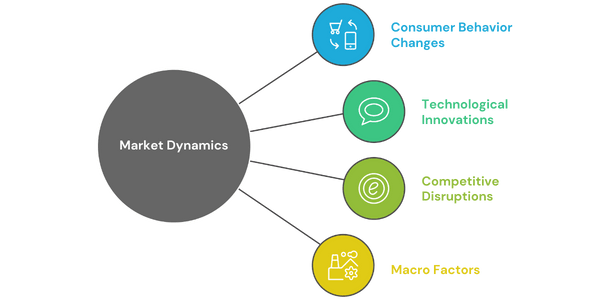
- Shifting consumer behavior. Big events, economic swings, and viral trends can reset buying priorities almost overnight.
- New technology. Fresh platforms and digital channels keep raising what customers expect and where they shop.
- Competitor moves. A rival’s launch, price cut, or new channel can pull attention away in days.
- Macro pressures. Tariffs, regulation, and climate events add uncertainty to supply and planning. In 2026, McKinsey notes brands are reorganizing supply chains for exactly this reason.
You cannot control these forces. But with connected data, you can see them early and respond before they cost you a season.
How AI Orchestration Solves These Revenue Hurdles
Orchestration connects your siloed tools into one operational layer. Instead of patching point-to-point links, it lets data move where it is needed automatically. Here’s how it tackles the revenue hurdles in the fashion industry head-on.
Centralizing data across teams
When merchandising, marketing, operations, and service all work from one source of truth, collaboration improves. Product data, stock levels, and customer records flow between systems without duplicate entry or manual reconciliation.
Improving demand forecasting accuracy
Better forecasts need richer data. When in-store patterns, online searches, and purchase history merge into one view, you get a truer read on future demand. That cuts the blind spots that cause planning errors. Aekyam’s AI-driven demand forecasting pulls these signals together automatically.
Reducing stockouts and overstocks
With sharper forecasts, you can balance stock with precision. Orchestration shifts inventory based on live sales velocity across channels. Hot items get restocked before shelves empty. Slow movers get reallocated to markets where they sell.
Enabling real-time visibility for decisions
Unified dashboards show cross-channel performance as it happens. When a style takes off, your team can amplify marketing and adjust production the same day. That turns reactive firefighting into a proactive strategy, something fragmented setups simply can’t do.
Where AI Adds the Most Value
Once your systems are connected, AI does more than tidy operations. It creates new capability across the value chain:
- Demand and trend prediction. AI links runway signals, social buzz, and sales history into one decision layer, so you act on trends months earlier.
- Automated inventory. Workflows trigger replenishment, rebalancing, and transfers on their own, so no manual reconciliation is needed.
- Supply chain optimization. AI spots bottlenecks early, optimizes shipping routes, and speeds up fulfillment.
- Personalized experiences. Real-time analysis of browsing and purchase history powers recommendations that lift conversions.
- Waste reduction. Predictive analytics cuts excess stock, which also supports sustainability goals as buyers demand greener brands.
To see these mapped to real workflows, explore Aekyam’s AI orchestration use cases.
From Fragmented Operations to Scalable Growth
The revenue hurdles in the fashion industry aren’t really about demand or design. They are about connection. Brands running on disjointed systems keep leaking profit through gaps they can’t see. Brands that connect their operations forecast better, serve customers better, and grow faster.
This is where Aekyam helps. As an AI-powered orchestration platform, it moves data meaningfully across your systems, cutting stockouts and overstocks, speeding up launches, and freeing teams from manual reconciliation. The result is a revenue-ready foundation built to scale.
Ready to close the gaps draining your revenue? See Aekyam in action and find out where your operations leak and how fast you can fix it.
Or connect with our team of experts to explore more options.
Share
Read Similar Blogs